
What is lemlist? Features, pricing and how it works in 2026
Lemlist brings email, LinkedIn, calls and WhatsApp into a single prospecting sequence and works on a database of more than 650 million contacts. Here is how it works, what it costs in 2026 and when it makes sense over Waalaxy or Instantly.
Updated: 2026-09-16
 Lucía Ferrer·Analyst · Cold email and deliverability

Featured tool
Lemlist
Lemlist at a glance
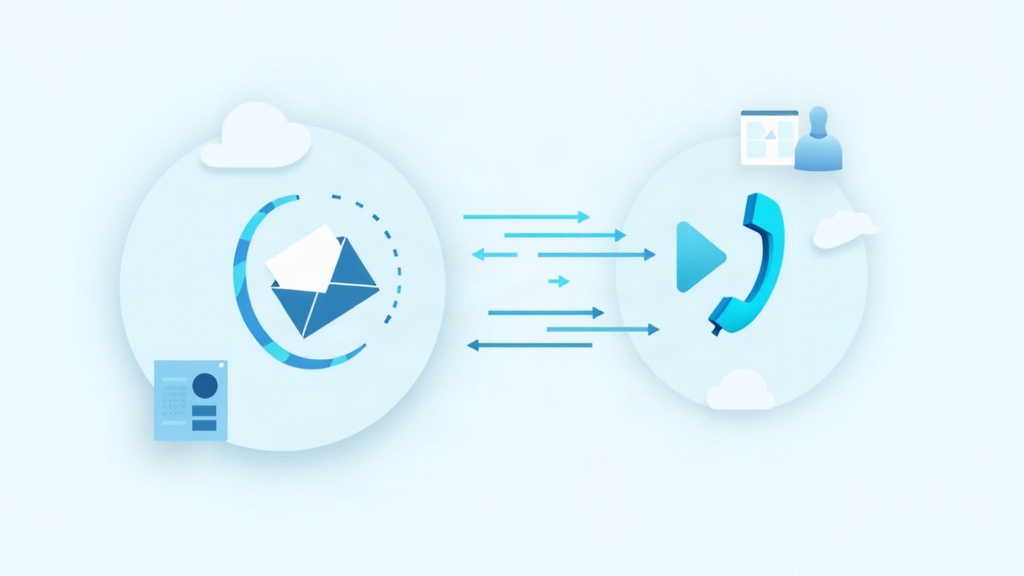
Lemlist is the multichannel outbound platform built by lempire, the French company behind lemwarm. It combines email, LinkedIn, calls, SMS and WhatsApp inside a single sequence and works on a database of more than 650 million contacts. In 2026 it starts at US$55 per month on the annual Email plan, and the Multichannel plan costs US$87 per user per month, with a 14-day free trial and no credit card.
These are the published numbers as they stand today:
| Data point | 2026 value |
|---|---|
| Email plan, 50,000 emails a month | US$69 monthly, US$62 quarterly, US$55 yearly |
| Multichannel plan | US$109 monthly, US$87 yearly, per user |
| Enterprise | Custom pricing, from 5 users upwards |
| Database | More than 650 million leads |
| Search credits | 5 credits per verified email and 20 per phone number, with 1 credit at US$0.01 |
| Free trial | 14 days on the Multichannel plan, no card required |
| Channels it automates | Email, LinkedIn, calls, SMS and WhatsApp |
| Published rating | 4.7 out of 5 from 1,396 reviews on G2 |
| Company | lempire, based in France |
| Interface languages | English, French, German and Spanish |
What is lemlist and what is it for?
lemlist has been the go-to tool for people doing cold email with genuine personalisation for years. It started out as a way to drop a prospect's photo and name inside an email, and over time it has become something much bigger: a platform that runs the whole outreach sequence, not just the first message.
The idea behind it is simple. Instead of one tool to find contacts, another to send emails and a third to chase the same person on LinkedIn, you keep everything in one flow. You pull a lead from the database, drop it into a sequence, and that sequence decides whether today is an email day, a profile visit day or a call day.
What it is for depends on how you sell, and there is no single answer. Sell to companies with long cycles and what you buy is staying power, because you keep the conversation going for weeks without it looking like you are pestering anyone. Sell at volume and what you buy is time, because follow-up stops depending on your calendar. I came out of plain cold email, and what I noticed when I moved to a tool like this was not a pile of new replies. It was no longer losing accounts because I had failed to follow up in time.
The number I find most telling is a different one. The company claims more than 20,000 sales teams run their entire outbound operation inside lemlist. That matches what I see in the market. Buyers are no longer shopping for a standalone tool, they are shopping for the place where the whole process lives.
What can lemlist do? Email, LinkedIn, calls and WhatsApp
Multichannel sequences that actually mix channels
This is where it differs from most rivals. A lemlist sequence can mix email, a LinkedIn profile visit, a connection request, a LinkedIn message, a voice note, an SMS and a phone call. You can add conditions between steps, so if a prospect opens two emails but never replies, the system switches channel on its own.
Database and contact search
Every plan includes access to a database of more than 650 million profiles and unlimited searches. You can filter by job title, industry, company size and the technology they use, and export results without a cap. Verification is billed separately through credits, and only charged when the action succeeds. A verified email costs 5 credits, which is five US cents. A phone number costs 20 credits.
Credits come in top-up packs and the exchange rate is easy to remember, because 1 credit is worth US$0.01. With 1,000 credits, which is US$10, you get roughly 200 verified emails or 50 phone numbers. There are more than 25 data providers behind the scenes, so if one comes up empty the tool tries another before handing you an answer.
Buying intent signals
This is the newest part and the one that caught my attention. lemlist sells intent signals on a pay-per-success basis. If a company visits your website, that signal costs 20 credits. Relevant hires and job changes start at 100 credits. A funding round costs 100 credits. And LinkedIn engagement starts at 400 credits.
The value is obvious, because a new job or a freshly closed round are the two most honest excuses there are for emailing somebody. The catch is the cost, which stacks up fast if you fire signals at large lists.
AI and personalisation
The tool has put AI into almost every layer, from automatic account research to data cleaning and drafting the first message. They have also shipped an MCP server, a command line interface and Claude skills, so you can run lemlist from inside an AI assistant if that is how your team works.
How much does lemlist cost in 2026?
Prices are listed in US dollars and you can be billed in dollars, euros or pounds, so the final euro figure depends on the exchange rate of the day. These are the plans exactly as published:
| Plan | Monthly | Quarterly | Yearly | What you get |
|---|---|---|---|---|
| US$69 | US$62 | US$55 | 50,000 emails a month, unlimited users and senders | |
| Email with more volume | US$89 for 100,000 emails | US$80 | US$71 | Same plan, more sending capacity |
| Multichannel | US$109 per user | US$99 | US$87 per user | Unlimited emails and messages, 5 email accounts per user, LinkedIn, SMS and calling |
| Enterprise | Custom | Custom | Custom | Custom roles, SSO and a dedicated account manager |
There is one detail worth appreciating: the Email plan does not charge per user. Users and senders are unlimited, so a small team can work entirely inside one plan without adding licences. The Multichannel plan is billed per person, which is standard for this kind of tool.
The free trial gives you 14 days of the full Multichannel plan and no card is required. When it ends your account is not deleted and your campaigns stay there, but you cannot launch new sends until you pay.
What you should be clear about is that the subscription price is not the whole bill. If you plan to source data inside lemlist, credits are the real cost. A team verifying 2,000 emails a month is adding around US$100 to the invoice, even on the US$55 plan.
Lemlist vs Waalaxy vs Instantly: which one should you pick?
This is where you have to look at your main channel, because the three tools do not compete on the same ground.
| Lemlist | Waalaxy | Instantly | |
|---|---|---|---|
| Entry price | US$55 a month, annual Email plan | €19 per user a month, Pro plan | US$47 a month, Growth plan |
| Main channel | Multichannel with an email focus | High-volume cold email | |
| Requests or emails a month | Unlimited emails on Multichannel | 300 connection requests on Pro and 800 on Advanced | 5,000 emails on Growth and 100,000 on Hypergrowth |
| Database included | Yes, more than 650 million contacts | No, it works on top of LinkedIn | Yes, but credits are billed separately |
| Free trial | 14 days | 14 days plus a free plan with 50 requests | 14 days for new users |
| Best at | Sequences that mix channels | Simplicity and safety on LinkedIn | Scale and automatic warm-up |
If LinkedIn is your channel and you are just starting out, Waalaxy is cheaper to test and comes with a free plan of 50 connection requests a month, which is the sensible way to check whether automation works for you without risking your account. You can start with the 14-day free trial and build your first campaign in an afternoon.
If you are serious about cold email and need several mailboxes, Instantly is better value per volume and its automatic warm-up is among the best on the market. New users get a free 14-day trial, and the US$47 Growth plan already sends 5,000 emails.
Lemlist is for the people who need all three at once, or for agencies running campaigns for different clients from one dashboard. If your problem is having to reach a decision maker by email, LinkedIn and phone without losing the thread, it is the most organised of the three. You can try lemlist free for 14 days and see whether the multichannel flow fits how you sell.
What do lemlist reviews say?
On G2, the listing the company itself cites on its website, it sits at 4.7 out of 5 across 1,396 reviews. That is a strong score for a product that has been around for years and has plenty of paying customers, because reviews of this kind of platform usually punish pricing.
The most common praise is message personalisation and the number of channels it covers without leaving the same dashboard. Teams coming from firing emails straight out of their CRM notice the difference the moment they build their first sequence with LinkedIn mixed in.
The most common criticism is the cost of credits and the feeling that the cheap plan runs short as soon as you start sourcing data. There are also complaints about AI overload, because the product has shipped new features very fast and the dashboard now carries more than many small businesses need.
What I do not like about lemlist
Let me be straight about the downsides, because a review without any is useless.
The credit system is the hardest thing to budget for. It is not a marketing trick, it works well and only charges when it succeeds, but it turns your monthly spend into a variable you do not fully control. If your team sources contacts every day, the data bill can end up weighing more than the subscription.
The entry price is not a starter price either. Waalaxy begins at €19 per user and has a free plan. Here the cheapest option is US$55 a month, and that is with annual billing. For anyone validating a business idea, that is too big a commitment.
The third downside is that the tool does a great many things. That is an advantage once you know what you are doing, but at the beginning the dashboard is overwhelming. Some teams spend their first two weeks configuring instead of prospecting.
Verdict: is lemlist worth it in 2026?
Yes, as long as your problem is a lack of order rather than a lack of customers. Lemlist will not fix a badly segmented list or a badly written message. What it does well is making sure nobody slips through the cracks and that follow-up does not depend on you remembering everything.
Now the warning I would give anyone who is still undecided. lemlist is not cheap and it will not fix the underlying problem when the list is bad. What it does do, and does well, is stop the sequence collapsing in week three. If that is your bottleneck, pay the US$55 and try it on a real case. If your bottleneck is that you still are not clear who you are selling to, spend that money elsewhere and start with Waalaxy, which has a free plan and costs a fifth as much.
And one piece of advice almost nobody takes before deciding. Build a short three-step sequence with 50 real contacts and send it during the free trial. If that test produces no replies, it is not your tool, however many features it has.
If you want to understand what a properly written cold email looks like first, take a look at our guide to what cold email is, and if what you are missing is valid addresses, we have rounded up the best tools to find emails.
Written by
Lucía Ferrer
Analyst · Cold email and deliverability
Former sales operations at a growth agency. She spends her days between SPF, DKIM and warm-up pools so your emails reach the primary inbox.
Specialty: Cold email, Instantly, deliverability, domains